
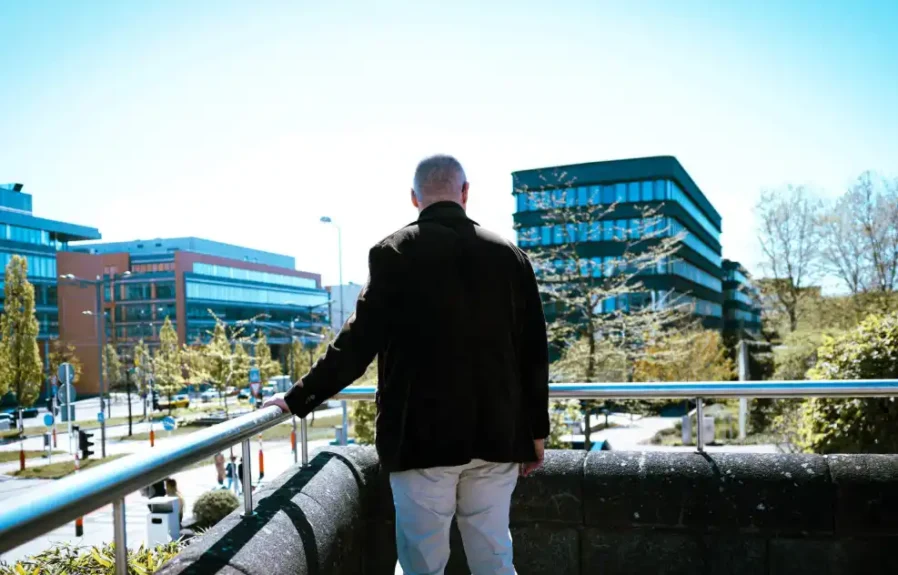
Can you start over at 55 after losing everything? Yes, it is possible to start over at 55 after losing everything. While rebuilding your finances, career, relationships, or confidence can be challenging, many people successfully create a new chapter later in life. The key is to focus on small, achievable goals, rebuild financial stability step by step, develop new skills, and maintain a long-term perspective. Starting over at 55 may look different than it does at 25, but experience, resilience, and wisdom can become powerful assets for creating a meaningful future.
MidEdu.com
Losing everything at 55 can feel overwhelming. Whether the loss came from financial hardship, divorce, business failure, health challenges, or unexpected life events, it can leave you questioning your future and your identity. Yet countless people have proven that a setback does not have to define the rest of your life. In fact, many discover new opportunities, stronger relationships, and greater purpose after starting over. This guide explores practical steps for rebuilding your finances, career, confidence, and sense of direction, showing that life after loss can still be filled with growth, success, and new beginnings.
Table of Contents
Starting Over at 55 After Losing Everything: A Middle-Aged Man’s Journey of Resilience and Renewal
When David turned 55, his world had upended in ways he never imagined. After two decades of steady work, a painful divorce, and the sudden loss of his savings in a failed investment, he found himself starting over with little more than a backpack and a worn-out truck. It was a moment of vulnerability and uncertainty that many middle-aged men fear but rarely speak about. Yet, within that upheaval, David discovered a path to personal growth, unexpected friendships, and a deeper sense of purpose. His story is not unique—but it is a powerful reminder that starting over is possible at any age, even after losing everything.
The Reality of Starting Over in Midlife
For men in their 50s and beyond, the idea of rebuilding life from scratch can feel daunting. Careers that once defined identity may be disrupted by layoffs or health issues. Marriages can end, leaving emotional scars and altered family dynamics. Financial setbacks can erode years of hard work. And society’s expectations often make reinvention seem like a youthful endeavor, not one for middle-aged men.
Yet, as David’s experience illustrates, starting over at 55 is less about erasing the past and more about embracing it—with all its challenges and lessons—to forge a new, authentic path forward.
David’s Story: From Loss to Rediscovery
David had been a project manager at a manufacturing firm since his early 30s, proud of his steady climb up the corporate ladder. He was a devoted father to two teenage sons and a husband of 25 years. But when the company went through restructuring, David was made redundant. Around the same time, his marriage crumbled under the strain, leading to divorce. To make matters worse, a significant investment he had trusted turned sour, wiping out much of his retirement savings.
“It felt like the ground was pulled from beneath me,” David recalls. “I was 55, and suddenly, I had no job, no home, and no clear direction.”
But rather than retreating into despair, David took his situation as a harsh but honest invitation to rethink his life’s purpose. He moved closer to his sons and leaned on old friends he had neglected. He began volunteering at a community center, reconnecting with his love for mentoring younger people—something he had sidelined during his corporate years.
Rebuilding Identity Beyond Career
One of the most profound challenges David faced was redefining his identity beyond his career. “For so long, my job was who I was,” he says. “Losing it felt like losing myself.”
This is a common experience among middle-aged men who often tie their self-worth to professional success. David’s journey shows that identity can evolve. Through volunteering and reconnecting with his family, he discovered qualities like empathy, patience, and resilience that he hadn’t fully appreciated before.
Healing Relationships and Building New Bonds
Divorce had strained David’s relationship with his sons, but the crisis opened space for honest conversations and healing. “We started spending weekends together, just talking and doing simple things,” he shares. “It wasn’t always easy, but it brought us closer.”
Additionally, David rekindled friendships that had faded, finding support in shared experiences. These connections became a lifeline, reminding him that he wasn’t alone in facing life’s upheavals.
Lessons Learned and Wisdom Gained
David’s story reveals several meaningful lessons for anyone navigating major life changes later in life:
- Resilience is cultivated, not inherited. It’s built through confronting hardship openly and allowing yourself to feel vulnerable.
- Identity is multifaceted. Career is only one aspect—family, friendships, hobbies, and giving back all enrich who you are.
- Relationships matter. Healing old wounds and nurturing connections offer emotional sustenance and renewed purpose.
- Purpose can emerge from unexpected places. Sometimes, setbacks reveal passions and values that were dormant.
- Small steps create momentum. You don’t have to overhaul your life overnight. Consistent, manageable changes build a new foundation.
Navigating Practical Challenges: Employment, Health, and Finances
Starting over at 55 often comes with pragmatic hurdles. Finding new employment can be difficult amid age biases, but David found success by focusing on what he could offer rather than what he lacked. He pursued part-time consulting and embraced lifelong learning, taking courses to update his skills.
Health is another critical factor. Middle age often brings new physical realities, and stress from loss can exacerbate these. David committed to daily walks and improved his diet, which helped stabilize his mood and energy.
Financial recovery was slow but steady. David worked with a financial advisor to rebuild savings cautiously and learned to live within his means without sacrificing quality of life.
The Role of Purpose and Passion in Reinvention
One of the most transformative aspects of David’s journey was discovering purpose beyond material success. His volunteer work mentoring young people became a source of fulfillment and joy. “Seeing someone learn and grow because of my support gave me a sense of meaning I didn’t realize I was missing,” he explains.
Purpose doesn’t have to be grandiose; it can be as simple as offering kindness, sharing wisdom, or nurturing a hobby. For David, this renewed purpose became a beacon guiding his next chapter.
Finding Joy and Meaning in Midlife Change
Starting over at 55 is often framed as a crisis, but it can also be a profound opportunity. David’s experience shows that while loss is painful, it can clear space for new growth. By embracing change with openness and self-compassion, middle-aged men can discover parts of themselves that were hidden under life’s old routines.
His story resonates because it is real: filled with setbacks, doubts, but also hope, connection, and resilience. For readers contemplating their own fresh start, David’s journey offers encouragement to face uncertainty with courage and to trust that renewal is possible—even after loss.

FAQ
Is it common to start over at 55 after losing a career or family?
Yes, many people in their 50s face major life changes such as job loss or divorce. While challenging, this stage can also be a time for meaningful reinvention and personal growth.
How can middle-aged men redefine their identity after losing a long-term career?
Exploring interests beyond work, volunteering, reconnecting with family and friends, and developing new skills can help rebuild a sense of self that is not solely tied to a job.
What practical steps can help rebuild finances after a setback at this age?
Working with a financial advisor, creating a realistic budget, exploring part-time or flexible work, and focusing on saving gradually can support financial recovery.
How important are relationships during this period of change?
Strong relationships provide emotional support, motivation, and healing. Rebuilding connections with family, friends, or support groups can ease the transition.
What mindset helps middle-aged men embrace starting over?
Adopting resilience, openness to change, self-compassion, and patience enables men to navigate uncertainty and find new purpose in life’s second acts.



 and then