
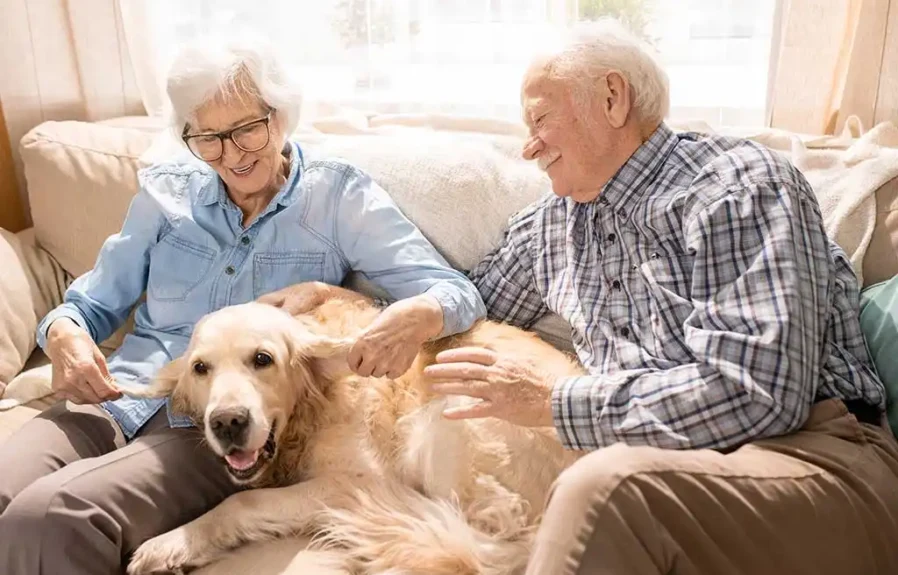
Growing Older Together With My Senior Dog is the experience of aging alongside a beloved canine companion while adapting to changing health, mobility, and emotional needs. By providing proper senior dog care, maintaining routines, and cherishing shared moments, owners can strengthen their bond and improve their dog’s quality of life.
MidEdu.com
Growing Older Together With My Senior Dog is a deeply meaningful journey filled with loyalty, companionship, and unforgettable memories. As both owner and dog age, their relationship evolves through new challenges and precious moments. Understanding senior dog care, supporting changing health needs, and embracing every stage of life can help create a happier, healthier, and more fulfilling experience for both companions.
Table of Contents
Growing Older Together With My Senior Dog: A Story of Unwavering Companionship
When I first brought Max home, he was a lively two-year-old golden retriever with boundless energy and a tail that never seemed to stop wagging. Now, nearly fifteen years later, we navigate the quieter, slower rhythms of life side by side. As Max’s muzzle grays and his steps grow tentative, our bond deepens in ways I never anticipated. Growing older together with a senior dog isn’t just about caregiving—it’s a profound journey of companionship, resilience, and shared grace.
Discovering New Rhythms in Midlife
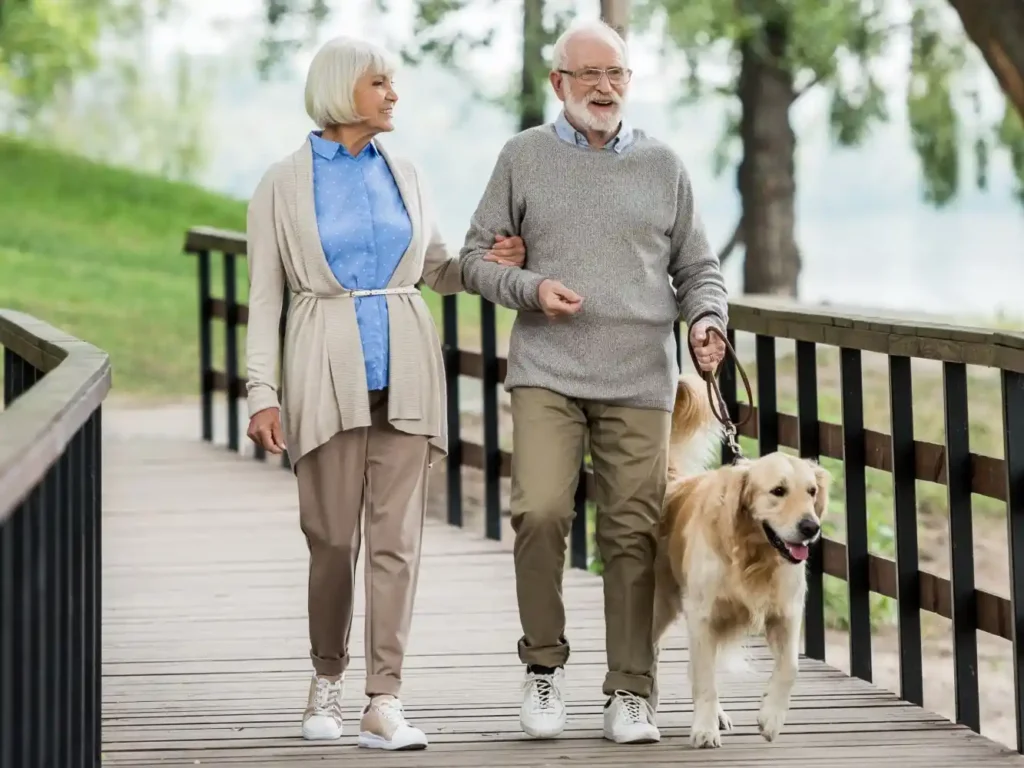
At 52, I find myself reflecting often on the changes that time brings—not just in me but in Max as well. Our days used to be filled with long hikes and endless play sessions. Today, we savor gentle strolls through the neighborhood park and quiet afternoons on the porch.
It’s a shift that mirrors many middle-aged experiences. Just as our bodies and priorities change with age, so do the needs of our canine companions. Learning to listen attentively to Max’s slowing pace has taught me patience and mindfulness, qualities I’ve found invaluable in other areas of my life.
Adjusting to Physical Changes
Max’s arthritis means he can no longer bound up the stairs or chase after tennis balls with reckless abandon. Instead, I’ve become his advocate—carefully monitoring his diet, scheduling vet visits, and creating a comfortable home environment that supports his mobility.
- Soft bedding and orthopedic mats to ease joint pain
- Ramps and non-slip rugs to help him move safely
- Gentle, low-impact exercise routines tailored to his abilities
These adaptations aren’t just acts of care—they represent a deep respect for the life we’ve built together.
The Emotional Landscape of Aging Together
Watching Max age has also been a profound emotional journey. There’s an undeniable tenderness in seeing a once-vibrant dog slow down, but also a rich appreciation for the years we’ve shared.
It reminds me of the friendships and relationships in my own life—those that have weathered time’s passage and evolved in unexpected ways. Just as Max’s companionship has been a steady anchor, so too have my closest friends and family provided support through the ebbs and flows of middle age.
Facing the Inevitable
There’s a quiet understanding between us about the fragility of life. I find myself cherishing small moments: the way Max rests his head on my knee, his soft sighs during our evening ritual, the trusting look in his eyes. These moments are powerful reminders to live fully and gratefully.
Preparing for the eventual goodbye is painful, yet it also encourages me to savor the present without reservation. In this, Max has taught me one of life’s most vital lessons: love is expressed most deeply in presence and attentiveness.
Lessons in Loyalty and Unconditional Love
Our journey together has been marked by a profound reciprocity. Max’s unwavering loyalty has helped me navigate personal challenges—career transitions, the empty nest phase with my children, and the complexities of aging parents. His steady companionship offers solace and joy amid uncertainty.
In many ways, the bond with a senior dog reflects the essential human need for connection and trust. It’s a relationship built on mutual respect and emotional honesty, free from judgment.
Practical Wisdom From Growing Older With a Senior Dog
- Adapt your lifestyle: Embrace changes in activity levels and create routines that suit both your needs.
- Prioritize health: Regular veterinary care and attention to diet can improve quality of life.
- Celebrate small joys: Find happiness in quiet moments and simple pleasures together.
- Embrace emotional vulnerability: Allow yourself to feel the full spectrum of emotions that come with aging and companionship.
- Build a support network: Connect with others who understand the unique challenges of caring for a senior dog.
Inspiration for Your Own Journey
If you are, like me, walking alongside a senior dog, know that you are part of a special story. It’s one of patience, kindness, and enduring love. The years may slow us down, but they also deepen our appreciation for the bonds that sustain us.
Sharing these experiences with others—whether through conversations, support groups, or simply acknowledging the shared human-animal connection—can provide comfort and encouragement. Aging together is not a burden but a gift, rich with opportunities for growth and reflection.
FAQs About Growing Older With a Senior Dog
How can I make my senior dog more comfortable at home?
Consider providing orthopedic bedding, using ramps to avoid stairs, maintaining a consistent routine, and ensuring easy access to food, water, and favorite resting spots.
What are common health issues in senior dogs, and how do I recognize them?
Arthritis, dental problems, vision or hearing loss, and cognitive decline are common. Watch for stiffness, reluctance to move, changes in appetite, confusion, or unusual behaviors, and consult your vet regularly.
How do I balance my own aging challenges while caring for an older dog?
Prioritize self-care, seek support from friends or pet-care communities, and create manageable daily routines that accommodate both your needs and your dog’s.
Is adoption of senior dogs a good option for middle-aged adults?
Absolutely. Senior dogs often have calmer temperaments and can provide meaningful companionship, especially for those seeking a steady, loving relationship in midlife.
How can I emotionally prepare for the eventual loss of my senior dog?
Allow yourself to grieve in advance, cherish present moments, create lasting memories, and reach out for support when needed. Understanding that grief is a natural part of love can help ease the journey.

 and then