
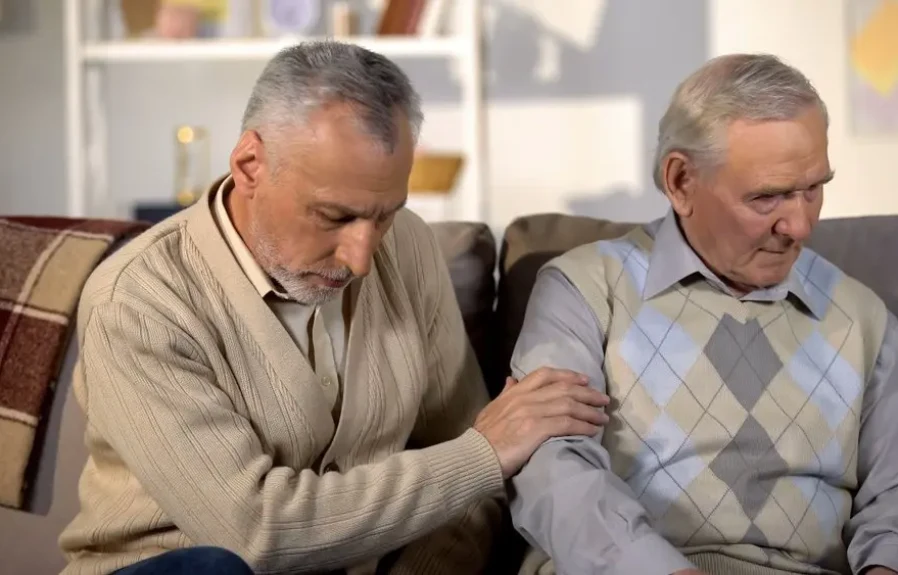
What should you do when you feel disappointed by an old friend?
MidEdu.com
When you feel disappointed by an old friend, first identify what caused the disappointment and separate facts from assumptions. Communicate your feelings clearly and calmly, then evaluate their response. Based on this, decide whether to repair the friendship, redefine it with new boundaries, or distance yourself. This approach helps protect your emotional well-being while allowing space for honest, realistic relationships.
I didn’t expect it to happen with them.
Out of all the people in my life, this was the one friendship I thought was immune to change—the kind built over years of shared routines, inside jokes, late-night conversations, and an unspoken understanding that we would always show up for each other.
So when the disappointment came, it didn’t arrive loudly. It came quietly—almost subtly—like something I could ignore at first.
Table of Contents
It Started Small (And That’s Why I Missed It)
There wasn’t a dramatic betrayal or a single defining moment.
Instead, it began with small things:
- Messages that took longer to reply to
- Plans that were canceled last minute
- Conversations that felt… less present
At first, I explained it away.
“They’re just busy.”
“Everyone goes through phases.”
And to be fair, that’s often true. Life changes. Priorities shift. People grow.
But something felt different—not just in what they were doing, but in what was missing.
The Moment It Became Real
The turning point wasn’t big from the outside.
I remember going through a difficult time—one of those moments where you don’t necessarily need solutions, just someone who understands your silence.
So I reached out.
And they didn’t show up.
Not in the way they used to.
They responded, yes—but it felt distant. Surface-level. Almost like I was talking to someone who knew about me, not someone who truly knew me.
That’s when the realization hit:
I wasn’t just hurt—I was disappointed.
And disappointment, I learned, is heavier than anger.
Why It Hurt More Than I Expected
Looking back, it wasn’t just about that one moment.
It was about everything behind it:
- The years of trust
- The assumption that “they’ll always be there”
- The role they played in my life
When someone has been part of your story for so long, you don’t just expect consistency—you depend on it without even realizing.
So when that expectation breaks, it doesn’t feel like a small crack.
It feels like the ground shifting under something you thought was stable.
The Questions That Followed
After that moment, my thoughts kept circling:
- “Did they change, or did I?”
- “Was I expecting too much?”
- “Do they still value this friendship the way I do?”
This is the part people don’t talk about enough—the internal confusion that comes with disappointment.
Because it’s not always clear who is “right” or “wrong.”
Sometimes, it’s just two people slowly becoming different versions of themselves.
What I Realized (After Sitting With It)
Instead of reacting immediately, I gave myself time to think.
And a few important truths became clear.
1. Not All Expectations Are Spoken
I had assumed they would understand what I needed—without ever saying it out loud.
But even in long friendships, unspoken expectations can fail.
2. People Change—Even the Ones We Trust Most
Life doesn’t just add responsibilities; it reshapes priorities.
What used to be effortless can become something that requires intention—and not everyone adjusts in the same way.
3. History Doesn’t Guarantee Consistency
Just because someone has always been there doesn’t mean they always will be—in the same way.
That realization was uncomfortable, but necessary.
The Conversation I Almost Avoided
For a while, I considered saying nothing.
It felt easier to just:
- Pull back
- Lower my expectations
- Let the distance grow quietly
But that would have left the story unfinished.
So I chose to talk.
Not dramatically. Not confrontationally. Just honestly.
I told them:
- What I felt
- What I expected
- Why it mattered
And something important happened—not instantly, but clearly.
Their Response Told Me Everything
They didn’t react defensively.
They didn’t dismiss my feelings.
But they also didn’t fully meet me where I was.
And that’s when I understood something that changed how I see relationships:
Sometimes, the answer isn’t about fixing the friendship—it’s about redefining it.
What I Did Next
I didn’t cut them off.
I didn’t pretend everything was the same either.
Instead, I adjusted.
I changed how I showed up:
- I shared less of what required deep emotional support
- I stopped expecting them to fill a role they no longer held
I accepted a new version of the friendship:
- Still meaningful
- But different
And most importantly—
I stopped holding them to a version of themselves that no longer existed
What This Experience Taught Me

Disappointment in an old friend is not just about them.
It’s about:
- Expectations we didn’t realize we had
- Changes we didn’t want to acknowledge
- And the gap between past and present
But it’s also an opportunity.
A More Grounded Way to Handle It
If you’re going through something similar, here’s what actually helps—not in theory, but in real life:
1. Be Clear About What Hurt
Don’t generalize it. Identify the specific moment or pattern.
2. Check Your Expectations
Ask yourself honestly:
- Were they communicated?
- Were they realistic for who this person is now?
3. Talk—Even If It Feels Uncomfortable
Clarity is always better than silent assumptions.
4. Watch Their Response, Not Just Their Words
Effort, awareness, and willingness matter more than apologies alone.
5. Accept That Some Friendships Evolve
Not all relationships are meant to stay the same—and that’s not always a failure.
The Quiet Truth No One Tells You
Losing the version of a friend you once had can feel just as painful as losing the person entirely.
But growth—yours and theirs—doesn’t always happen in parallel.
And that’s where most disappointment lives.
Final Reflection
I still consider them an old friend.
But I no longer expect them to be the same person they once were in my life.
And surprisingly, that acceptance didn’t weaken the connection—it made it more honest.
Because in the end, handling disappointment isn’t about forcing things back to how they were.
It’s about understanding what they are now—and deciding, with clarity, where they fit in your life moving forward.

FAQs
Is it normal to feel disappointed in a long-term friend?
Yes. Disappointment is a natural emotional response when expectations are not met. In long-term friendships, expectations are often higher due to shared history, which can make the feeling more intense.
Why does disappointment in an old friend hurt so much?
It hurts more because of emotional investment, trust built over time, and the belief that the relationship is stable. When that expectation is broken, it can feel personal and deeply unsettling.
Should I confront my friend or just let it go?
If the issue is recurring or emotionally significant, it’s better to communicate directly. Calm, clear conversations can prevent misunderstandings and help determine whether the friendship can improve.
How do I know if the friendship is worth saving?
A friendship is worth saving if both people show willingness to communicate, take responsibility, and make changes. If effort is one-sided or trust continues to break, it may be healthier to redefine or distance the relationship.
How can I move on if the friendship changes or ends?
Focus on processing your emotions, accepting that relationships evolve, and redirecting your energy into supportive connections. Growth often involves letting go of expectations tied to the past.



 and then