
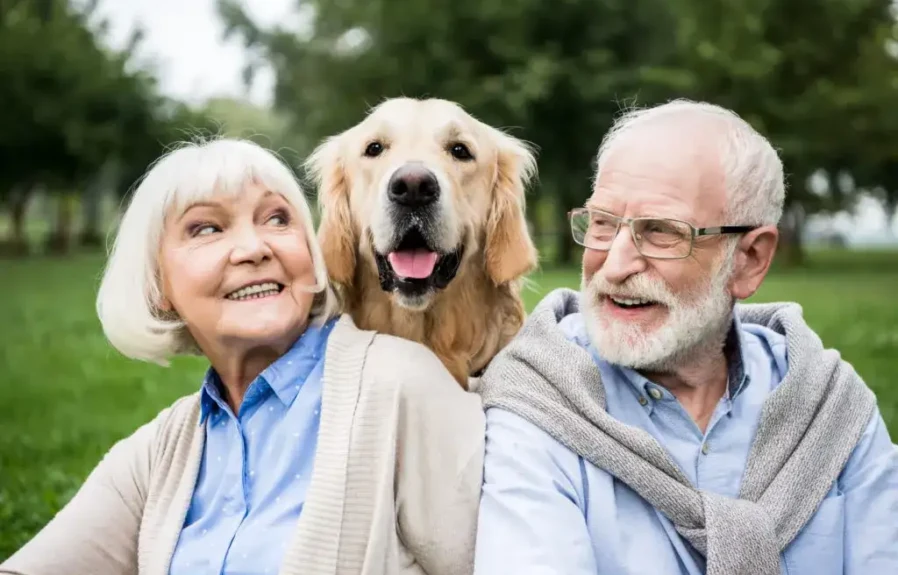
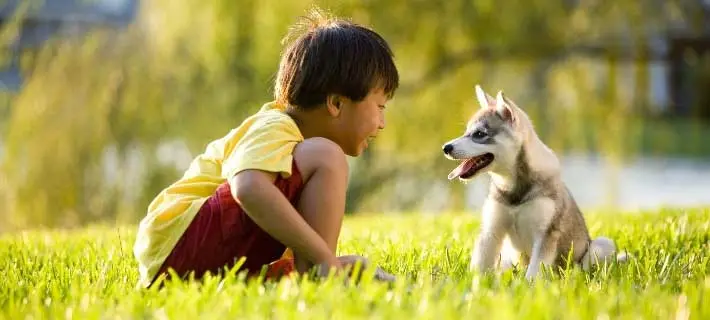
A little puppy taught a first-time owner patience by demanding consistency, emotional control, and calm repetition. Through training setbacks and daily routines, the owner learned that patience builds trust, reduces stress, and strengthens the human–dog bond, creating long-term behavioral and emotional success.
MidEdu.com
How a little puppy taught a first-time owner patience is a story shared by countless new dog parents. From sleepless nights to repeated training attempts, the puppy’s behavior forced the owner to slow down, regulate emotions, and practice calm consistency—revealing that patience is the foundation of successful puppy training and lifelong companionship.
When most people think of bringing a puppy home, they imagine wagging tails, floppy ears, and endless cuddles. But for many first-time puppy owners, the reality begins with sleepless nights, chewed shoes, and blurred routines. This is not a story about trouble — it’s a transformative journey. It’s the account of how a tiny puppy became the teacher, and a human became the student of patience.
In this article, we explore comprehensive lessons from real experiences, supported by expert insights on canine behavior and human psychology. You’ll discover how patience isn’t just beneficial — it’s essential for nurturing a healthy and happy relationship with your puppy.
Table of Contents
Why Patience Matters in Puppy Ownership
Patience isn’t just a virtue — it’s a practical tool that anchors every successful pet-raising experience. Puppies arrive with instinctual needs, emotional energy, and zero understanding of human rules. Expecting instant compliance is unrealistic, and resistance can lead to stress for both pet and person.
What Patience Is (and Isn’t)
- Patience is calm persistence, not passive tolerance.
- Patience is structured consistency, not random appeasement.
- Patience builds trust, while impatience builds fear.
Dr. Karen Becker, a renowned integrative pet care veterinarian, emphasizes that consistent and patient training fosters well-adjusted dogs and reduces anxiety in both the puppy and the owner.
The First Days at Home: A Reality Check
When Sarah* brought her golden retriever puppy, Teddy*, home, she expected sunshine and smooth bonding. What she didn’t expect was:
- Crying at night
- Puppy accidents on the carpet
- Constant chewing
- Repeating the same commands 50 times
(*Names changed for privacy.)
The Early Struggle
Sarah described her first week as “a sleep-deprived blur.” She read every puppy training book but still felt overwhelmed. Teddy didn’t understand house rules, and Sarah’s patience wore thin.
This experience is common among new pet owners. According to animal behaviorists, the first few weeks are critical adjustment periods for puppies — and the owner’s ability to stay calm and present directly influences the puppy’s confidence.
Understanding Puppy Development
To appreciate patience, it’s helpful to understand how puppies grow:
🐶 1. Neurological Development
A puppy’s brain isn’t fully mature until 2 years old. Early weeks are full of learning, but also short attention spans and emotional fluctuations.
🐾 2. Emotional Learning
Puppies are learning trust before they learn commands. When scared or confused, they seek safety — often in comfort behaviors like chewing or whining.
💡 3. Behavior Is Communication
Accidents aren’t rebellion — they’re communication. Jumping isn’t bad manners — it’s excitement. Patience teaches an owner how to translate the behavior rather than simply suppress it.
Lessons in Patience: From Chaos to Connection
Below are the major lessons Sarah learned — and many new puppy owners will recognize them:
✅ 1. Patience Comes Through Repetition
Teddy didn’t learn “sit” on the first day — or even the first week. But with daily, calm practice, he became eager to respond to commands.
✅ 2. Celebrate Small Wins
It’s vital to acknowledge incremental progress:
- 30 minutes of calm behavior
- First correct sit
- No accidents for a day
These milestones strengthen positive progress and motivate the owner.
✅ 3. Patience Protects Emotional Health
Frustration teaches a puppy nothing. Calm repetition teaches trust, safety, and confidence — the foundations of a loving relationship.
✅ 4. Your Emotional State Is the Puppy’s Cue
Dogs read body language. An impatient tone or stiff posture signals stress, which can make training harder. A patient presence invites cooperation.
What Experts Say
Leading canine trainers and psychologists affirm that patience is more than waiting — it’s intentional, mindful engagement.
“Dogs mirror human emotions. If you are calm, consistent, and confident, your dog will learn to respond in kind.”
— Dr. Stanley Coren, PhD, dog behavior researcher.
Research also shows that positive reinforcement methods — grounded in patience and timing — yield faster, more reliable results than punishment-based training.
Patience Improves Long-Term Outcomes
The benefits of patience extend far beyond basic obedience:
🐕 Better Behavior
Puppies trained with patience display fewer anxiety issues and lower aggression tendencies.
🧠 Enhanced Learning
Patience allows for gradual buildup of skill and memory reinforcement — both critical for lifelong training.
❤️ Stronger Bond
Trust is the cornerstone of any relationship. Patience builds trust faster than correction or punishment.
⚖️ Reduced Stress
Both speaker and learner benefit from low-stress interactions, making everyday life more peaceful.
Practical Patience Techniques for Owners

Here are proven strategies to cultivate patience and enhance training:
🕒 1. Short, Frequent Sessions
Limit training to 5–10 minutes per session repeatedly throughout the day.
📋 2. Set Realistic Goals
Instead of “perfect all the time today,” focus on one behavior per day.
🔄 3. Repetition Over Reprimand
Repeat commands calmly until the puppy succeeds. Offer praise generously.
🎯 4. Scheduled Play & Rest
Predictable structure lowers anxiety — and a well-rested puppy is often more receptive.
🧘 5. Mindful Breathing for Owners
Before responding to misbehavior, take one deep breath. This reduces emotional reactivity and reinforces patience.
Common Scenarios and How Patience Solves Them
🚽 House Training Accidents
Rather than scolding:
👉 Anticipate needs through schedule
👉 Reward success with treats and praise
👉 Clean accidents without attention, minimizing stress
🐾 Excessive Chewing
Chewing is natural for teething. Redirect the chewing to toys — not punishment.
🐕 Pulling on Leash
Stop, stand still, and reward calm walking. No tug-of-war — only calm choices win cooperation.
🗣 Constant Barking
Rather than raising your voice, pause and wait for silence before offering attention. This teaches voice control through calm responses.
A Message to Future Puppy Owners
If you’re reading this before bringing home a puppy — great. Prepare mentally for challenges, celebrate growth, and understand that patience is your greatest tool as an owner.
If you’re reading this during the struggle — you’re not alone. Puppies test boundaries — both theirs and ours. But with time, consistency, and patience, that struggle becomes the foundation of deep trust and lifelong companionship.
Conclusion: What the Puppy Really Taught
In the end, it wasn’t the puppy who needed training; it was the owner. Through sleepless nights, gentle repetition, and countless tiny mistakes, Sarah learned:
- Patience creates structure, not chaos.
- Calm consistency builds confidence — in both the puppy and owner.
- Patience transforms daily interactions into lasting bonds.
A puppy doesn’t just become a well-behaved dog. A patient owner becomes a better human — kinder, more attentive, and more understanding of life beyond their own expectations.
Final Takeaways (Quick Summary)
✔ Puppies need time to learn
✔ Patience strengthens training outcomes
✔ Calm, consistent responses build trust
✔ Emotional self-regulation enhances communication
✔ A puppy’s journey becomes a human’s journey of growth
FAQs
How did a little puppy teach a first-time owner patience?
A little puppy taught a first-time owner patience by requiring repeated training, calm responses, and emotional control. Puppy training patience develops as owners learn consistency, timing, and trust-building through daily interactions.
Why is patience important for first-time puppy owners?
Patience is essential for first-time puppy owners because puppies learn gradually. Patience prevents stress, improves puppy training results, and helps build trust with a puppy during early development stages.
What lessons do first-time puppy owners learn from training a puppy?
First-time puppy owner lessons include emotional regulation, realistic expectations, and consistent routines. These lessons reinforce puppy training patience and create a stronger, more cooperative relationship.
How does patience improve puppy behavior long-term?
Patience improves puppy behavior by reducing fear and anxiety. Calm repetition and positive reinforcement help build trust with a puppy, leading to better obedience, confidence, and emotional stability.
Can puppy training teach owners personal growth?
Yes, puppy training often teaches owners patience, empathy, and discipline. Many discover that how a little puppy taught a first-time owner patience reflects personal growth beyond pet ownership.

 and then